Cameras in the Classroom: A Double-Edged Sword
I recently had to test my students’ speaking skills. Two years ago, Minh Anh, 12, could barely say hello. Now she can casually chat about basic conversational topics like family, work, and hobbies. Relaxed and trusting, she knew she had the space to think and refine her responses as she went along. It was extremely gratifying to observe her improved skills. I sent Minh Anh back to the classroom, asking her to call Hằng to come next. As she left, my manager asked where the camera was. Embarrassed, I hurriedly set up the tripod and placed my iPhone on it.
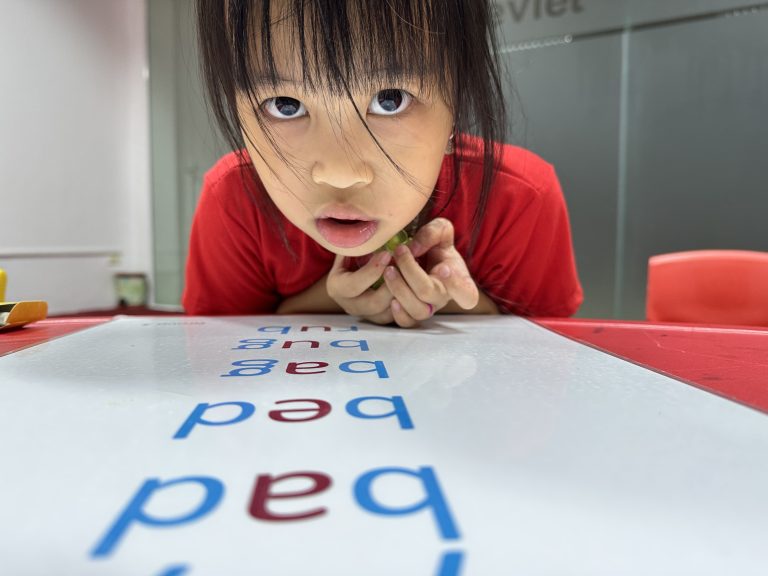
Hằng is a brilliant student, though shy and delicate. As soon as we started recording, her unease was evident. Her posture stiffened, she leaned away from the camera, even simple questions became difficult, and her behaviour felt artificial. My suspicions were confirmed upon the next student’s arrival, Bảo, a driven and original boy who usually doesn’t hesitate to sacrifice grammar at the altar of creativity and self-expression. Bảo delivered a similarly forced and uncharacteristically sweaty performance.
The Use of Cameras in the Classroom
Cameras in the classroom serve many positive purposes. They ensure safety, provide accountability, and reassure parents. While it’s sometimes frustrating to feel the constant pressure of parental oversight, it is wise to remember that they are an essential partner and important shareholders in the business of their child’s education. Although it would be legitimate to wonder whether feverishly checking their offspring’s live feed while at work like TikTok-obsessed teenagers is good for their mental health. Still, from my point of view, their witnessing my teaching is no bother.
I use cameras most effectively to create short roleplaying videos that students can watch on the big TV to review and correct their speech. It is fun, provides a challenging task, and develops presentation skills in front of a camera, something most of my students will have to do in one capacity or another in the future. Minh Anh, for instance, might have benefited from reviewing her newfound conversational skills. But as with any tool, context matters. As I saw with Hằng, the camera’s presence transformed from a support to a stifling influence.
The Negative Impact of Surveillance
I must admit that the bad sides of this technology come easier to me. I am part of the last generation of people not born with camera-equipped supercomputers in their hands, and I bore witness to the changes and the discourse that came with the advent of this technology. What irks me is the unquestioned acceptance of the ubiquity of these tools. It is the de facto enforcement of a total lack of privacy within the learning context.
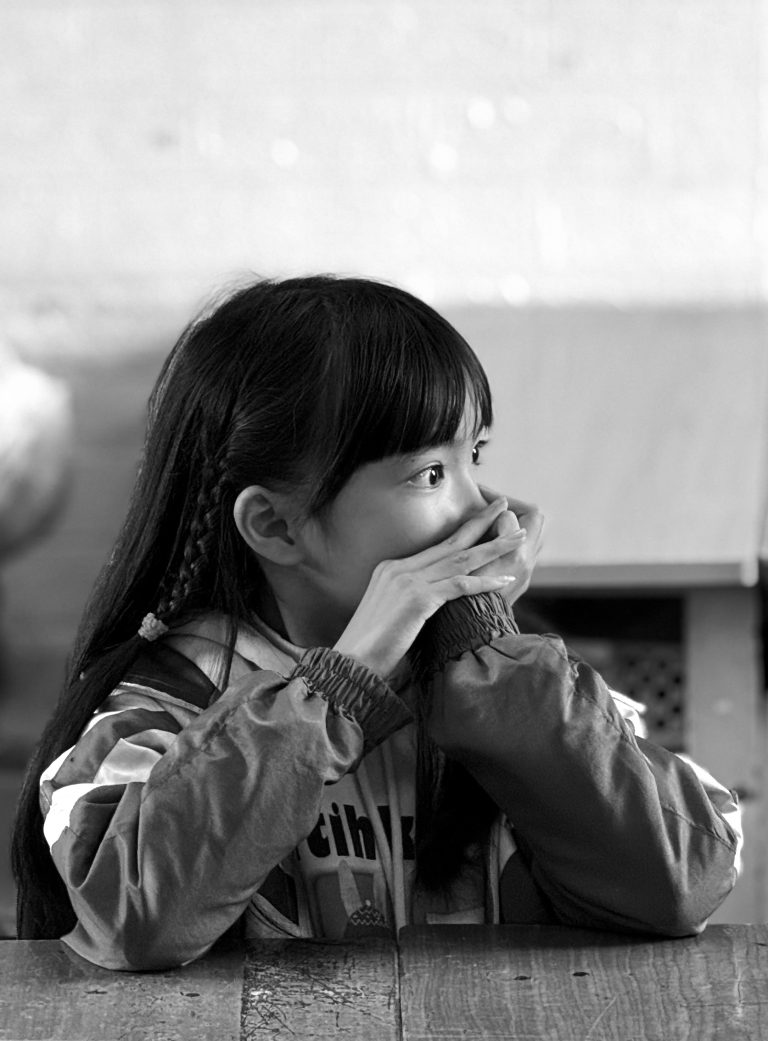
Language learning, much like performing, requires risk-taking and vulnerability. Cameras disrupt this delicate balance. Just as Hằng recoiled under the camera’s gaze, many students feel scrutinized and judged, reluctant to make the mistakes that real growth demands. It’s as if a curtain meant to protect them has been torn away, exposing their every slip and falter.
This performative act requires a lot of trial and error, including public failures, since students are often pushed to the edge of their ability. Speaking incomprehensible gibberish in front of fellow students is an inevitable and vulnerable process. Would this be facilitated by the knowledge that one’s performance is being televised to a judgmental audience, or better kept within the intimacy of fellow learners and a benevolent teacher?
Cameras and Trust in Learning
Cameras fundamentally alter the relationship between students and teachers. Language learning, a highwire act of mistakes and recovery, becomes an uncomfortable performance when under constant surveillance. The omnipresence of cameras fosters a sense of constraint, as students may fear being judged not only by their peers but by unseen eyes beyond the classroom.
The corrupting influence of cameras in the classroom is akin to an unquestionable dictatorship. Enforced by businesses and schools to placate parents, it is a way to pretend to provide value and to keep up with the competition by offering “modern facilities.” But from an educator’s point of view, the first question should be: How does this benefit our students?
It isn’t a matter of hiding from the parents’ assessment of the “product” they bought. It is a matter of questioning the use cases for these tools in each instance. Why are we filming during this test, speaking activity, or game? If the answer is simply: “So we can send it to the parents,” this answer should be questioned with the student in mind. Let us consider the profound and perhaps hidden effect this surveillance might have on the psyche of all involved. Does the knowledge that every utterance and every move is being scrutinized engender a sense of constraint in the child? The most worrying aspect is that with the ubiquity of this technology and its marketed benefits, it has become almost impossible for most even to intuit the advantages that would come from its absence.
The Importance of Intellectual Freedom
Our young students’ imaginations and sense of self are subject to all sorts of influences. Learning a language necessitates trust and the maintenance of spaces that are conducive to personal development. The safety of our students should include not just their physical and emotional well-being but also their intellectual safety and, more importantly, their freedom. This is essential if we desire an unrestrained approach to language teaching and to enable students to achieve self-expression – the ultimate goal of speech – without the unsettling feeling of being constantly watched and measured under the guise of a supposedly benevolent panopticon.
Final Thought
Sometimes, the best learning moments are private. Parents are essential partners in education, but it’s important to ensure that cameras only serve the students’ best interests. I found that educators and companies often achieve better results when they clearly explain their pedagogical decisions. More often than not, parents are happy to know that their children’s learning is in the hands of people with real expertise and a genuine philosophy of education.
May our students take to the learning stage with confidence, untroubled by the glare of an ever-present spotlight, free to rehearse and explore their roles behind the curtain until they are ready to step into the light.