Hearding Seagulls
Teaching teenagers is often one of the least favorite tasks among my colleagues. Many either dislike teaching them or feel less comfortable with them compared to teaching primary school or adult students. Adults are self-motivated and don’t usually require clever motivational stratagems. Primary school students, on the other hand, are generally easier to manage, as they are more easily controlled or at least more responsive to the authority a foreign teacher pretends to wield.
Teenagers, however, often embody none of these traits. They can be rude and mischievous. They understand enough about the world to realize that a foreign teacher’s authority is largely an illusion, but not enough to simply “play the game” or feel intrinsically motivated. Bold enough to defiantly stare you down and pepper you with colorful online slang, they suddenly become shy when asked to say a single word in front of the class.
They are, in a word, annoying.
I’ve found that the key to enjoying my time with teenagers, as mundane as it may sound, is empathy. In my experience, appreciating my teenage students perhaps more than any other age group has helped me endure the constant frustrations. Taking an interest in their lives has allowed me to better understand the pressures they face, whether academic, familial, or romantic, as they navigate their new hybrid status straddling the line between childhood and adulthood.
Though my affection for them is genuine, I’m mindful not to become too involved. We all want to be liked and loved. Having a couple of extra decades behind me, I sometimes feel tempted to rewind the tape and correct some past injustice by becoming the “cool kid” among my students. But even if such a thing were possible (and I doubt it), my emotions must be tempered with calm stoicism. Striking this balance isn’t always easy. Teenagers are expressive, friendly, and fun, exuding a contagious energy that can be hard to resist. One can share in that energy, but as with any child they shouldn’t be burdened by my affection or made responsible for my emotions. They are rapidly evolving through the storm of adolescence, and my role is to remain open and steady so that when their world spins a little too fast, I can provide a temporary safe harbor.
I’ve found that consciously leaning into my fondness for them rather than fighting the frustration, makes the day easier for everyone. It frees me from rising anger when they inevitably cross the line. It calms me when I see them misbehave or hear insults hurled my way. I can’t count the number of times I’ve ignored a curse or turned such moments into opportunities to engage the offending student. By encouraging participation and rewarding their efforts, I’ve often managed to transform a troublemaker into an ally.
How Did I Come to Find Such Vexing Creatures Endearing?
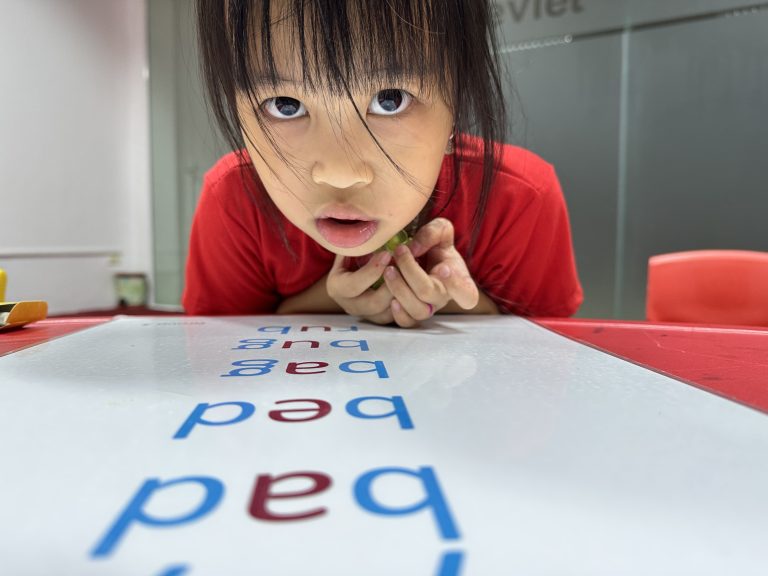
The answer is simple: I watch them during break time. My students seem to have a million hobbies. They’re always watching the latest meme, reading comics, drawing, or crafting something out of paper and other school supplies. They fashion makeshift weapons or spend time curling or straightening their hair. Their friendships can be passionate and strong yet volatile. Watching these personalities interact with kindness and yes, occasional ruthlessness is both fascinating and hilarious. I love seeing them network and form alliances, blush at the mention of their romantic interests, or cheer as some brave boy rises to describe his crush using English adjectives in full sentences, all under the deafening screams and laughter of the audience.
To me, their playful creativity amidst the chaos of a sixth-grade classroom with 45 students serves as a constant reminder of their vast potential.
Admiration and Connection
One of the reasons I maintain such a positive outlook toward my teenage students is straightforward admiration. Some of these kids are so incredibly smart that they make me feel like a fraud. This provides excellent motivation to stay on top of my game not just in the subject I’m hired to teach but in other areas as well. Demonstrating my talents humanizes me and piques their interest. Whether it’s grabbing their playing cards to show a magic trick, throwing crumpled paper into the bin from across the room, or breaking out a dance move, these small, irregular moments help forge a connection.
Admittedly, interacting with teenagers can feel like walking a tightrope. Failing in front of teenagers risks setting my progress back a few steps, but humility and self-deprecation are qualities teenagers understand and appreciate and are usually enough to smooth over any missteps. Since I can’t speak their language well, I rely on every tool I have to earn their respect, which helps smooth over missteps.
Being familiar with technology trends is crucial because teenagers are tech-savvy. I make it a point to stay informed about current trends and fads. If I didn’t know about Bing Chilling, the toothless dance meme, anime, or Free Fire, all trends that’ll probably be long dead by the time you read this article, I’d miss golden opportunities to connect with my students. It is also important to keep up with technology, as it has been part of their world since birth although they are often unaware of the costs of using these tools uncritically. Social media can have harmful effects on teens, and it a mistake to believe that since they are born with technology, they are better able to deal with its downsides than adults. They may be technically more competent than some adults, but since they cannot recall a state of the world in which they weren’t plugged into the matrix, they are less able to tell what opportunities this technology is costing them and what damage it may do to their physical and mental health.
Conflict and Trust
Quarrel management is part of my daily routine. Flexibility with seating arrangements often helps keep enemies apart, preventing minor skirmishes from escalating. Teenagers bickering in a language I don’t speak well at all is hard to navigate well, so I usually leave disputes to local staff unless someone needs to be physically separated to prevent injury.
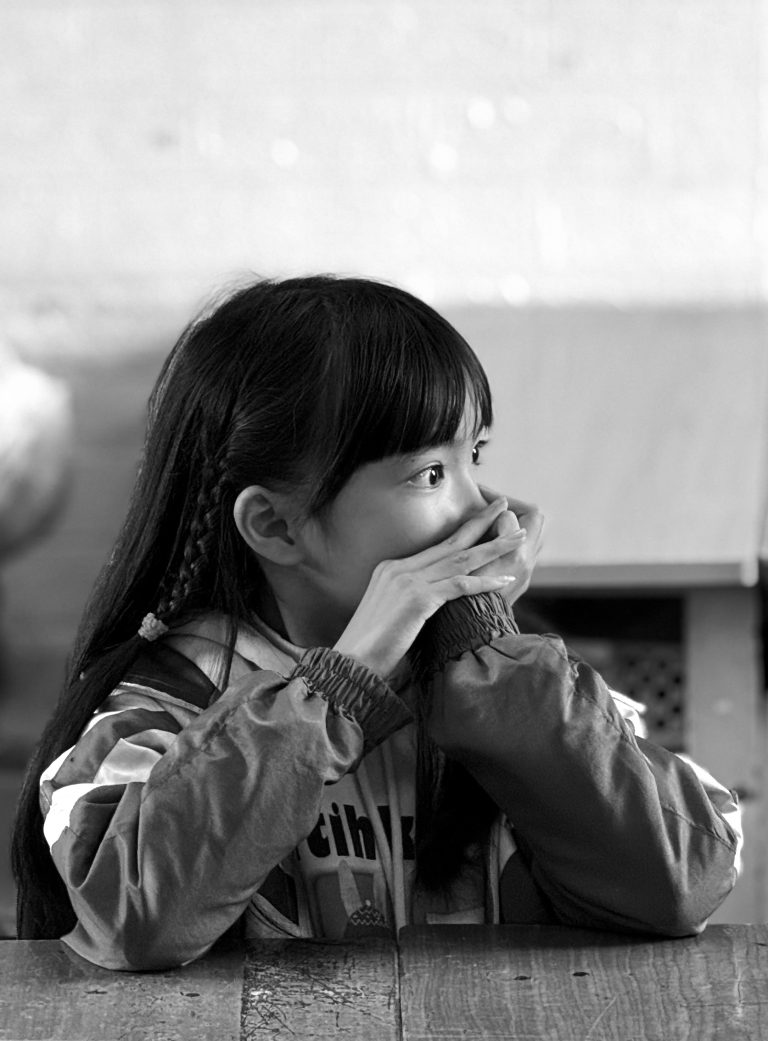
Not all teenagers are boisterous troublemakers. Some are shy and withdrawn, and I strive to address these students individually and with care. Their friends notice and appreciate these efforts, which helps me handle such moments tactfully.
Learning my students’ names is also one of the most important things I can do to earn their trust. Knowing just five names per class shows I care about them individually. My attempts to pronounce their names, even when hilariously incorrect, often amuse them and build rapport. I strongly dislike giving my students English names. It is a missed opportunity to connect and feels demeaning though I acknowledge that some students enjoy it. Still, I stubbornly cling to the beauty of Vietnamese names. I can’t imagine calling Phương Linh, Đang Khoi, Kiều Trinh, or Quỳnh Chi anything else. I have become, perhaps oddly, protective of these sounds. Something in them still catches me, and I’d rather stumble over them than trade them for something easier.
Boundaries
Over time, I’ve become more mindful of body language and physical touch. Some boys will bump into me, pat me on the back, or feel my muscles. While this can occasionally be a way to connect, teenagers especially girls are highly sensitive to boundaries. Puberty changes everything. Gestures like pats on the shoulder or head, which kindergarteners love, are inadvisable with teens. As they discover their boundaries, I firmly establish mine to be predictable, make them comfortable, and avoid unnecessary headaches.
Between Childhood and the World
I love my teenagers. These little rebels are bursting onto the world with all the hilarious arrogance and boundless potential one could hope for. I often wish for a role with more responsibility. Not because I think I have all the answers, but because the curriculum leaves so little space for the conversations that seem to matter most to them. As foreign teachers, we sometimes feel like the servants of a class full of spoiled, petulant princesses from a Disney movie. Fail to meet their expectations, and you will meet rolling eyes and loud exhales of exasperation at your obvious inadequacy. It is easy to feel frustrated. How can they not realise that we have what they need? This fleeting thought oftentimes enters one’s head before remembering that they are seven years old.
Our time with our students is brief, and every small victory matters.
A shy student meeting your eyes, an introvert speaking up for the first time, a class clown helping lead an activity, or a student finally clarifying a pronunciation point they’ve misunderstood for years is where our battles take place. It often feels like it isn’t enough, but I remind myself that the bittersweet curse of teaching is coming to love these kids as our own, only to watch them take flight and forget our names.
I am an island in the storm, and they are seagulls. I aim to provide shelter from the gale, fresh water, and reminders to pronounce their word endings, knowing they will inevitably return to their journey flying headlong into the tempest.